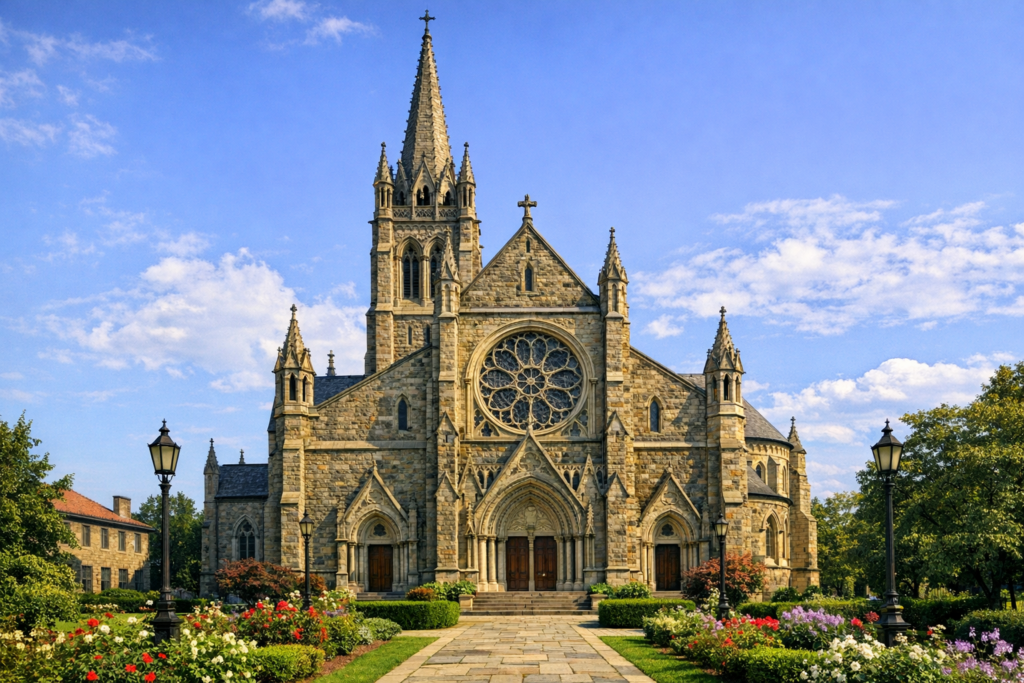
Churches serve as spiritual homes, gathering places, and landmarks within their communities. However, like any other organization, churches are not immune to risks—whether from natural disasters, accidents, or legal issues. This raises an important question: do churches need insurance? Understanding the unique challenges faced by churches, the types of coverage available, and the balance between costs and benefits can help leaders make informed decisions about protecting their congregations and property.
Understanding the Unique Risks Faced by Churches
Churches may appear serene and safe havens, but they face a wide array of risks. Natural disasters such as fires, floods, storms, or earthquakes can damage church buildings and property, sometimes leaving congregations without a place to gather. Additionally, as public spaces that host events, classes, and community outreach, churches face the risk of accidents and injuries occurring on their premises. A slip-and-fall or playground accident can quickly turn into a costly liability issue.
Beyond physical dangers, churches can also be exposed to legal and financial risks. Disputes between church members, employment issues, or allegations of misconduct may lead to lawsuits. The growing use of technology means that churches now store sensitive member information electronically, opening the door to data breaches and cyber threats. These risks demonstrate that churches, like any other organization, must consider how to safeguard themselves against the unexpected.
The mission-driven nature of churches does not shield them from responsibility. In fact, their community-centered approach may increase their exposure to certain risks. With volunteers, social outreach programs, and frequent gatherings, churches must consider how to protect not only their property but also their people—staff, volunteers, and visitors—against a variety of hazards.
Types of Insurance Coverage Available for Churches
To address these challenges, a range of insurance options exists specifically for churches. The most fundamental coverage is property insurance, which protects buildings, furnishings, and equipment from damage or loss due to events like fire, theft, or vandalism. Since churches often own historic or unique buildings, this coverage is particularly crucial to ensure that repairs or rebuilding are financially possible if disaster strikes.
Liability insurance is another core component. General liability coverage helps protect churches from lawsuits related to injuries or accidents on church property. Directors and officers liability insurance is also recommended, as it covers church leaders against claims arising from their decisions or actions within the organization. For churches with staff, employment practices liability insurance can help cover costs related to employment disputes or wrongful termination claims.
Additional coverage options can be tailored to a church’s specific activities. For example, auto insurance is needed if the church owns vehicles, and cyber liability insurance protects against digital threats and data breaches. Special event coverage can be purchased for large gatherings, and umbrella policies provide extra protection above other coverage limits. Customizing a policy ensures that a church’s unique needs are met and its mission can continue uninterrupted.
Weighing the Benefits and Costs of Church Insurance
For many churches, the decision to obtain insurance comes down to balancing protection against financial constraints. Insurance premiums can be a significant expense. Especially for small congregations with limited budgets. However, the cost of going without insurance can be far greater. A single lawsuit or catastrophic event could bankrupt a church, disrupt its programs, and harm its reputation in the community.
Insurance provides peace of mind, allowing church leaders to focus on ministry. It also reassures congregants and volunteers that their safety and well-being are priorities. Furthermore, having proper insurance may be required by law or by lenders if the church has a mortgage, making it not just a smart choice but sometimes a necessary one.
Ultimately, the benefits of insurance—protection against unpredictable events, legal liability, and financial ruin—typically outweigh the costs. By working with knowledgeable insurance agents and reviewing coverage regularly, churches can ensure they are adequately protected without overspending. Investing in insurance is a proactive way to safeguard the church’s mission, assets, and people.
Conclusion
While churches are places of faith and community, they are not immune to risk. Having appropriate insurance coverage is an essential part of responsible stewardship, ensuring that a church can weather the storms—literal or figurative—that may come its way. Church leaders can make wise decisions that uphold their mission and serve their community for years to come.